
A New Reality: Food That Grows at Home
Urban gardening is no longer an experiment — it has become a practical solution for everyday city living. Once you realize that strawberries, tomatoes, or herbs can grow right next to your kitchen, your perspective on food changes completely.
Balconies, terraces, and windowsills are increasingly transforming into small yet highly efficient gardens, where self-sufficiency becomes part of daily life. Plants are no longer just decoration, but an important source of fresh, locally grown food.
At the same time, growing awareness about the use of artificial fertilizers and pesticides raises important questions about sustainability and food quality. Their environmental impact encourages us to rethink how we grow food and move toward more natural, responsible approaches — even in the smallest spaces. Even a tiny garden can represent a meaningful step toward a healthier relationship with food and nature.
Turn Your Balcony Into a Source of Fresh Food
Modern urban gardening systems make it possible to create a stable and productive growing environment even without a traditional garden. The key lies in intelligently designed solutions that combine watering, support, and optimal plant growth into one integrated system.
One of the most effective approaches is vertical and specialized gardening, where every plant has its own tailored setup. Instead of conventional pots, smart self-watering structures are used to reduce water consumption while ensuring optimal plant care. Thanks to the vertical design, plants receive more sunlight, while the self-watering system provides consistent hydration, resulting in healthier growth and juicier produce.
Vertically Grown Strawberries Are Juicier
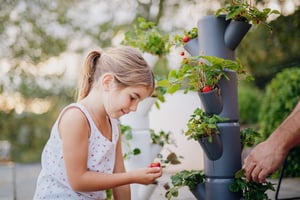
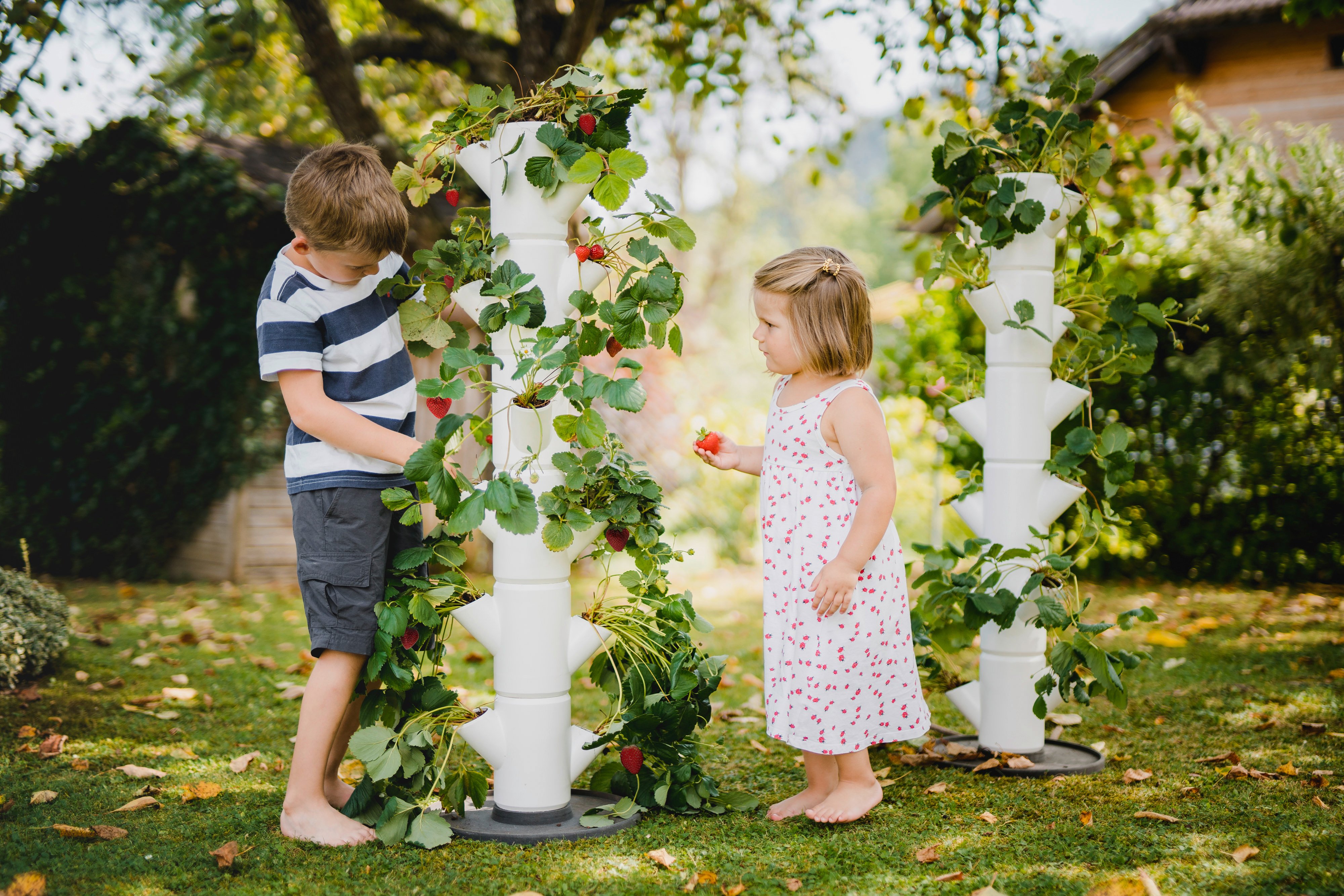
Sissy Strawberry is a vertical self-watering system for growing strawberries. By allowing plants to grow upward, it provides better sunlight exposure and ideal growing conditions while using minimal space — perfect for balconies and smaller terraces.
Because the strawberries are elevated from the ground, there is less rot, fewer pests, and cleaner fruit. Water is distributed evenly across all levels, preventing moisture fluctuations that stress the plants. The result is stable growth and juicy strawberries — even in an urban environment.
.png?width=1500&height=1500&name=100F11%20(1).png)
Fresh and Hydrated Herbs Always Within Reach
Herbs Buddy is a planter system with a built-in water reservoir designed specifically for herbs used every day. Instead of quickly wilting after purchase, herbs stay fresh significantly longer.
The plant draws water from the reservoir according to its own needs, ensuring constant and balanced hydration. Basil, mint, parsley, or chives are always fresh, healthy, and ready to use.
Delicious Tomatoes? From Your Balcony?
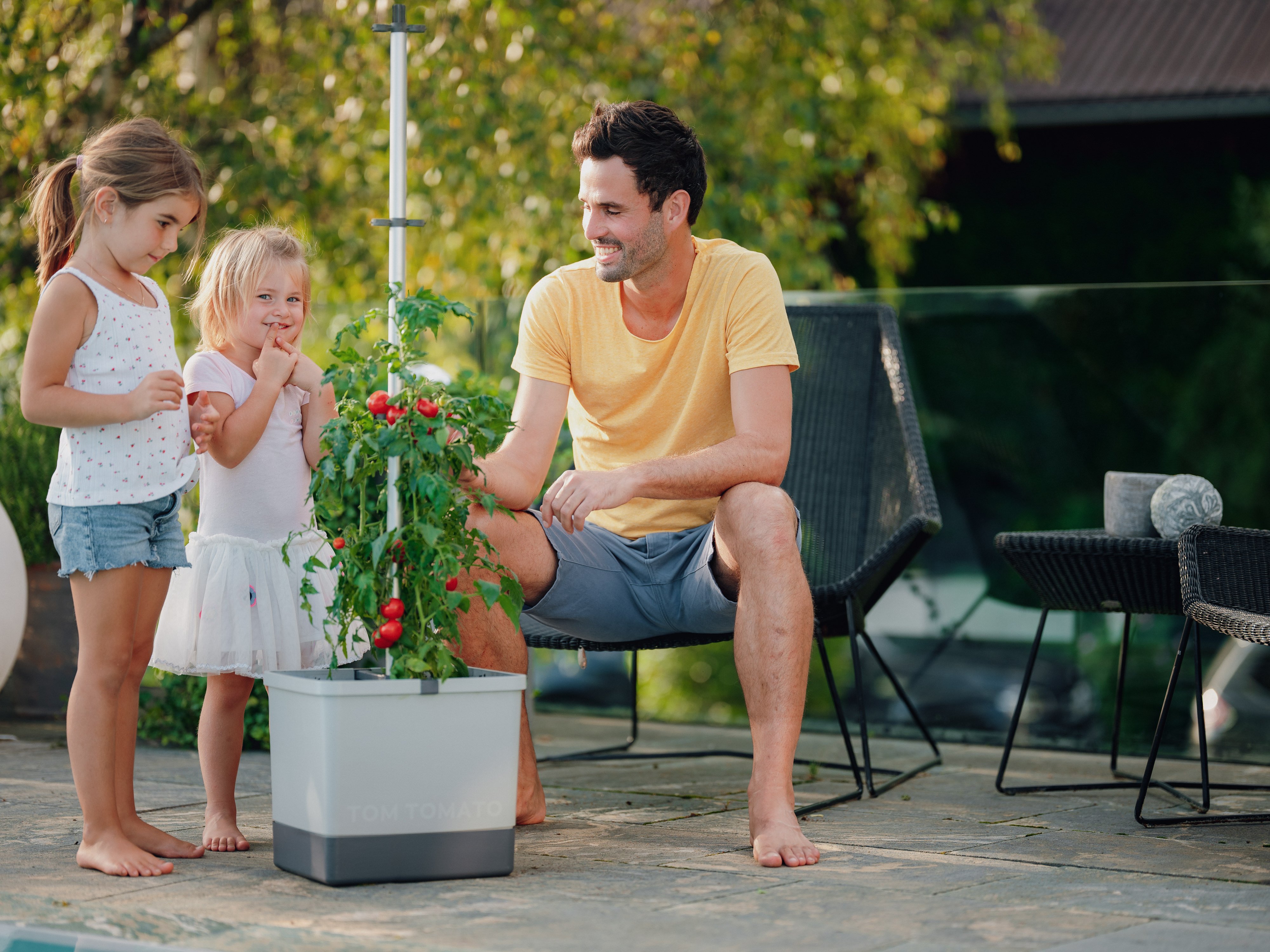
Tomatoes are demanding plants that require a precise balance of moisture and structural support — exactly what this system provides.
Tom Tomato is a specialized tomato planter that includes a water reservoir, optimal soil volume, and built-in plant support. Even watering prevents fruit cracking and plant stress, while the support structure guides proper upward growth, allowing the plant to direct its energy into producing flavorful fruit.
Homemade Hot Sauce Starts Here
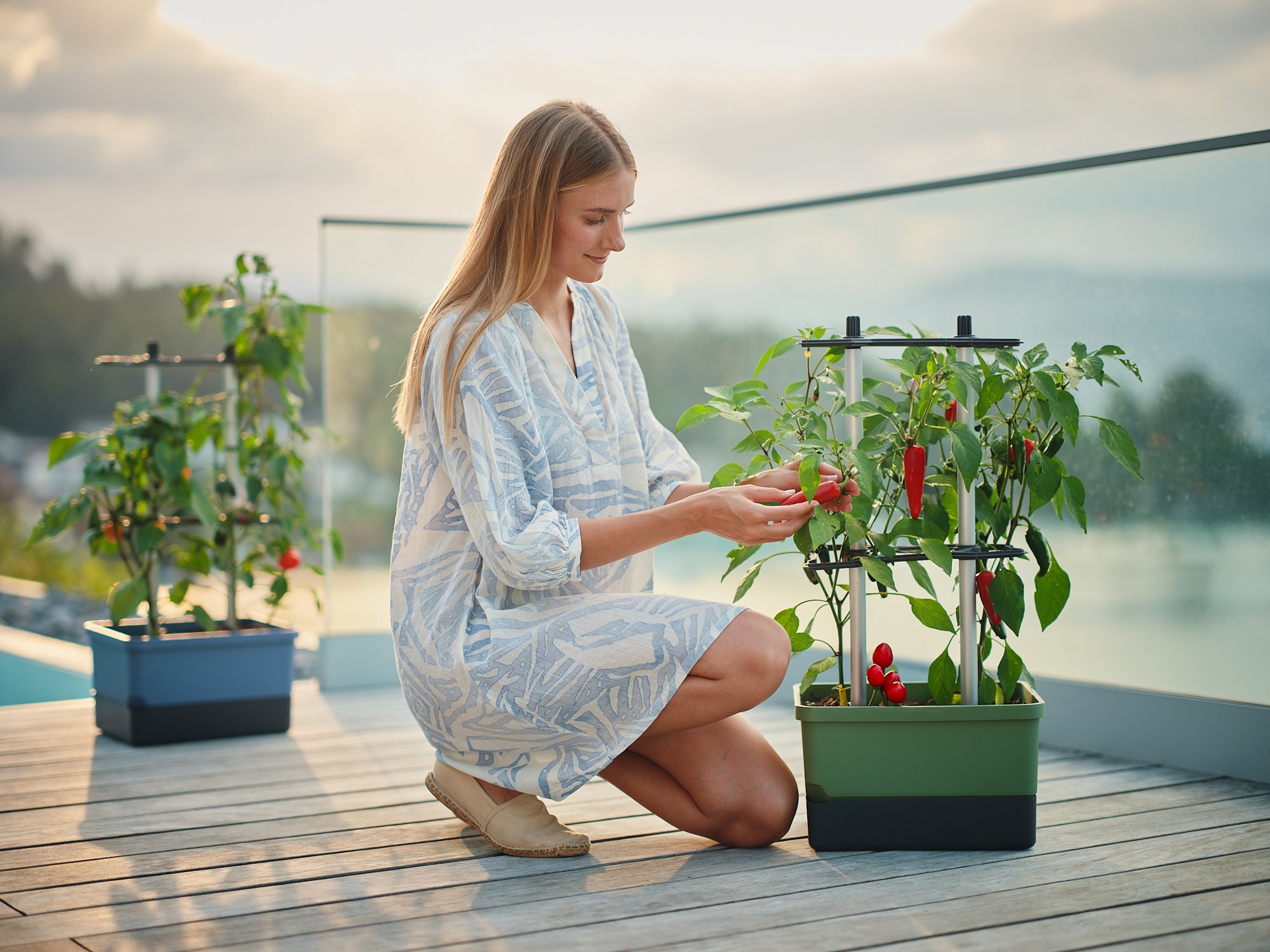
If you truly love chili peppers, you know you are searching for juicy, fiery fruits with intense flavor.
Charly Chili supports home chili cultivation with an integrated support structure that prevents the plant from falling or breaking, along with a water reservoir that enables gradual moisture absorption.
This means less watering and more consistent growth — essential for developing intense flavor and strong fruits.
.png?width=1500&height=1500&name=100D10%20(3).png)
When Your Raspberry Plant Finally Stops Breaking
Has your raspberry plant ever snapped after children accidentally hit it with a ball?
This is where a support system makes all the difference. Berry Buddy is a modular support solution for berries such as raspberries, blackberries, and currants. Instead of improvised sticks and strings, it provides a stable and adaptable structure that guides plants into organized growth.
Plants are better ventilated, less susceptible to disease, and easier to harvest.
ADVANTAGES OF URBAN GARDENING
Maximum Space Efficiency
Vertical and compact systems allow multiple plants to grow in very small spaces.
Less Watering, More Stability
Built-in water reservoirs ensure even and consistent hydration.
Healthier, Higher-Quality Produce
Stable growing conditions result in more fruit, better flavor, and fewer plant injuries.
Fewer Diseases and Pests
Plants are elevated from the ground, reducing rot, mold, and pest attacks.
Better Organization and Aesthetic Appeal
The systems are designed to blend into living spaces rather than look like improvised gardens.
Beginner-Friendly
Most systems are intuitive and require no special gardening knowledge or experience.
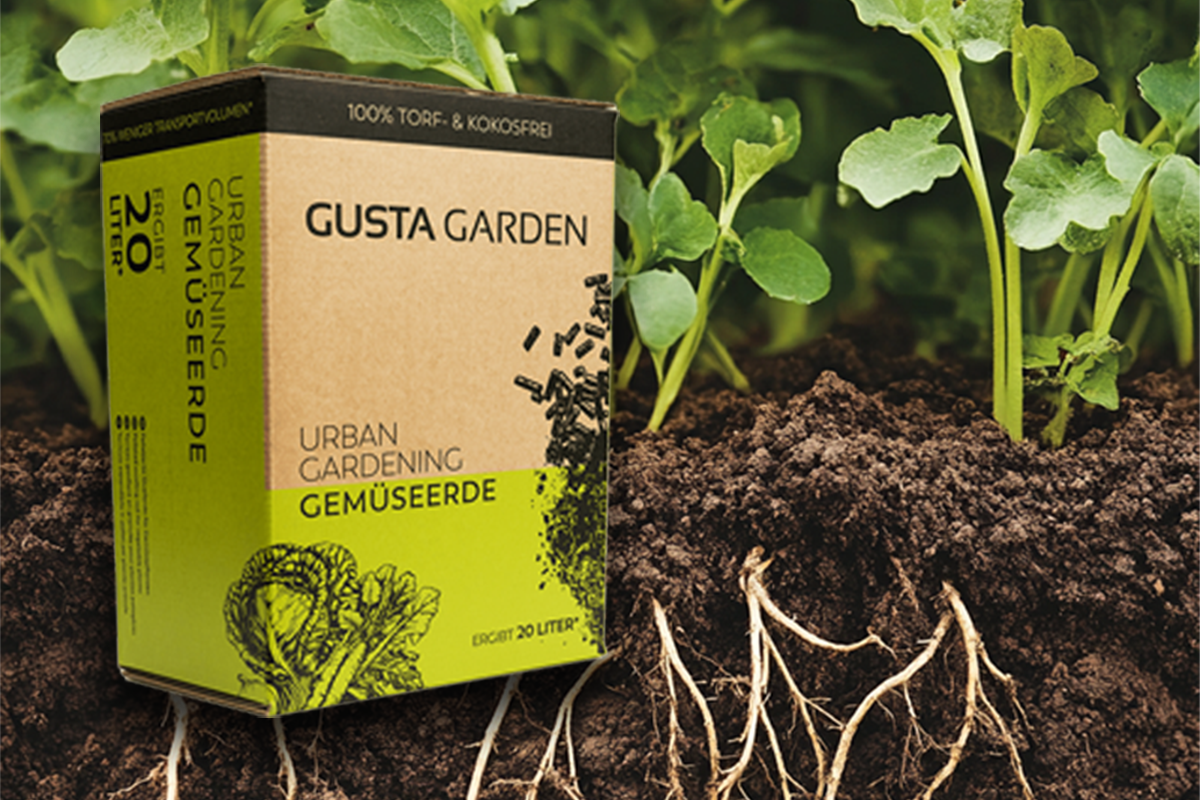
Let Organic Waste Become Plant Food
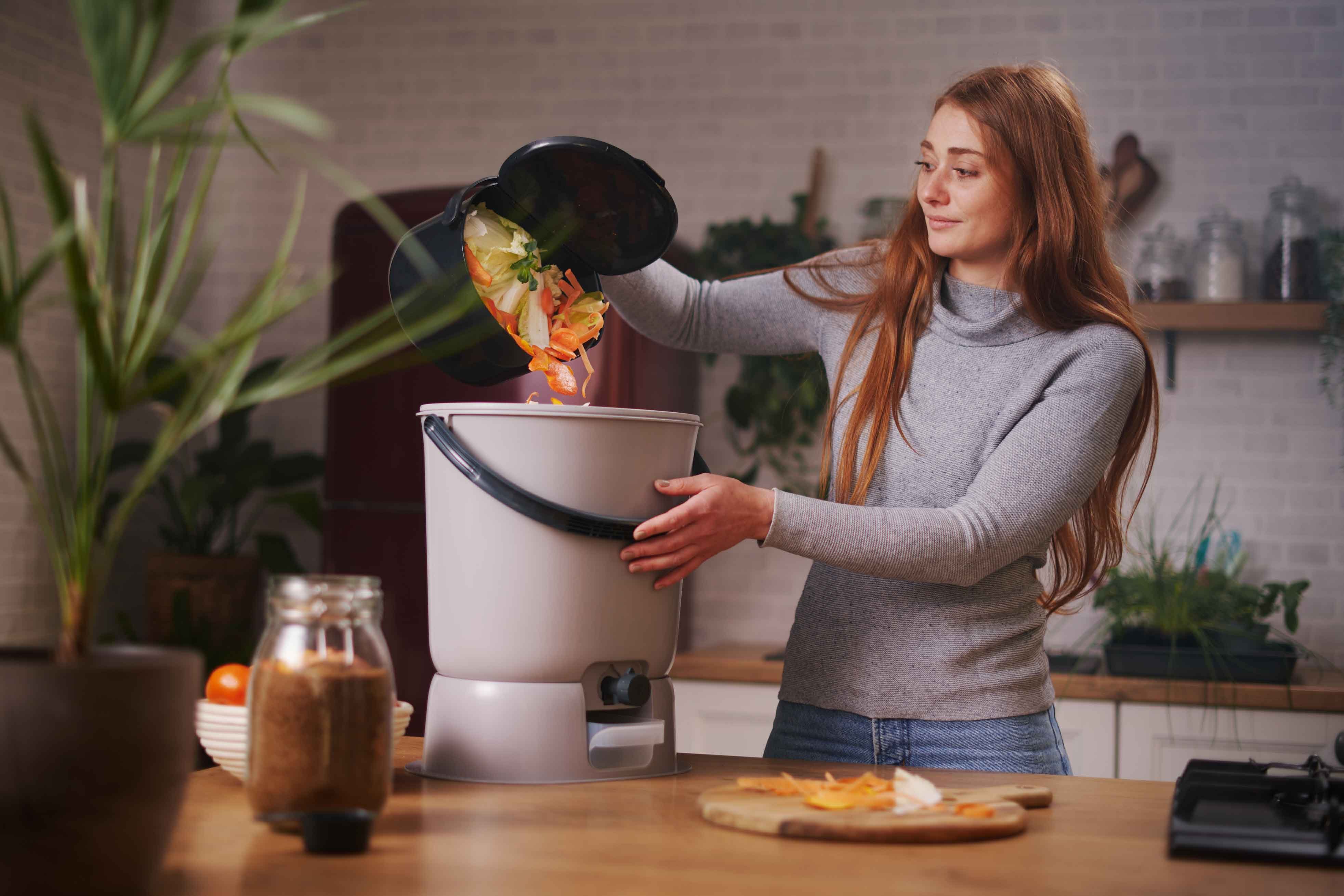
All of the solutions described above reach their full potential when organic waste is transformed into natural fertilizer through the Organko system, which converts kitchen waste into nutrient-rich plant food.
By adding Bokashi bran, the waste ferments into a nutrient-rich base and liquid fertilizer that can be used to water plants. This creates a closed-loop system where kitchen waste becomes nourishment for your garden.
The Urban Garden as a Connected Ecosystem
When specialized planters, support systems, vertical structures, and Organko composting are combined, the result is a fully self-sustaining urban garden.
Plants receive stable growing conditions, nutrients, and optimal hydration, while people gain access to fresh food without depending entirely on supermarkets.
Each element has its own role, but the real power emerges when they work together. Water, soil, nutrients, and structure become one integrated ecosystem that adapts to both the space and the user.
Urban Gardening Can Easily Become Your New Hobby
As living spaces become smaller and the demand for quality food continues to grow, urban gardening offers a practical way to create your own source of fresh food — right at home.